OR: How do I crack the yacht brokerage photography market?
Lately, after going out on some day-trip sailing adventures with friends, I keep thinking about a kind of living/commercial space I’ve never shot: a yacht.
My town, San Diego, is full of marinas and yacht brokerages, and although I’ve spent some time on boats, I’ve never really gotten an opportunity to point my camera at one of those tubs in a commercial sense.
Most of my career has been spent doing one specific thing with architecture, interiors, and construction: getting a space to tell the truth via the camera.
A yacht (and galley and guest rooms and engine room, etc.) is full of the same problems as most other living and commercial spaces, just elevated. Varnished teak, brass fittings, portholes, tight spaces, navigation, safety, and comms equipment, propulsion…
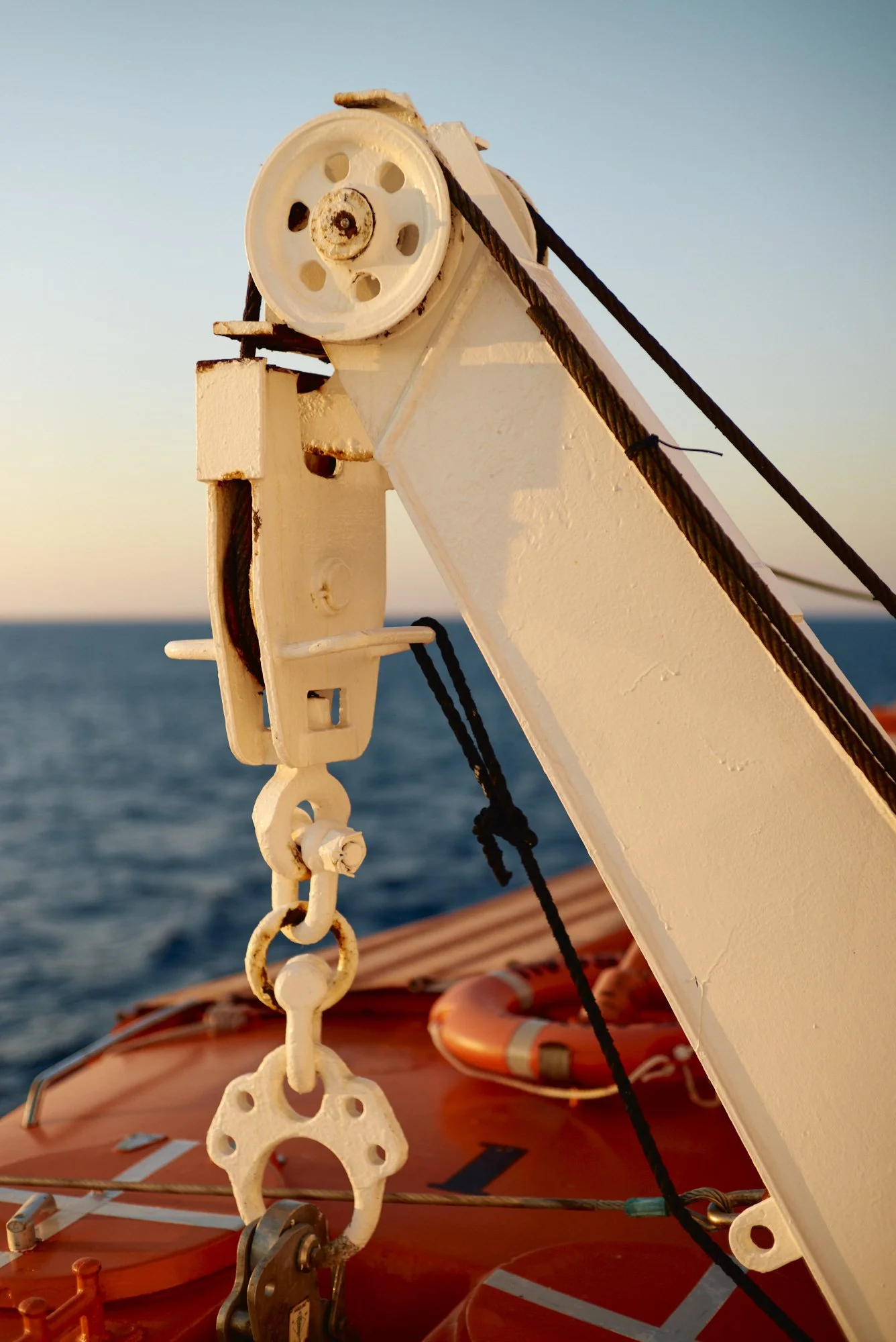
Lifeboat davit arms aboard the Seadream II near Istanbul.
Just because they’re afloat doesn’t mean yachts and other boats are free of color temperature and other lighting issues. Problems. Challenges. Opportunities? I’m open to all of them.
So I went looking at what boat owners themselves say about listing/brokerage photography, and it turns out I’m not wrong. On boating forums, I noticed one owner called out a listing where the engine room photo was shot poorly with terrible verticals and bad composition, distorting the equipment and not showing engineer access. Another comment said some listings just have that “lived in” look. I took this to mean nobody bothered to clear clutter before shooting. Between the two, you’ve got the exact failure mode I spend most of my working life avoiding: an unedited frame.
The exterior side isn’t new to me either. I’ve been flying FAA-licensed drone work for years, mostly construction progress and property exteriors. A yacht on the water is, functionally, a very expensive floating building with amazing “curb appeal” (pier appeal?) from the air. Getting the cabin interior and the aerial exterior from one photographer instead of coordinating two specialists seems to me to be a real efficiency, and it’s already how I work.
One yacht brokerage’s own advice to owners actually makes my case: if a boat is large, complex, or valuable, hire a professional. A good broker would keep one on staff or on call for exactly that reason.
I’d like to be that guy.
San Diego’s marinas are full of brokers who could use someone who already thinks this way about light and clutter, on interiors and from the air.
I don’t have a yacht in my portfolio yet. What I have is the specific discipline that makes yachts hard to shoot well—skill that I’ve proven on hotels, restaurants, commercial spaces, and homes for fifteen years [and a strong suspicion I’d look good wearing a life preserver instead of a hardhat].
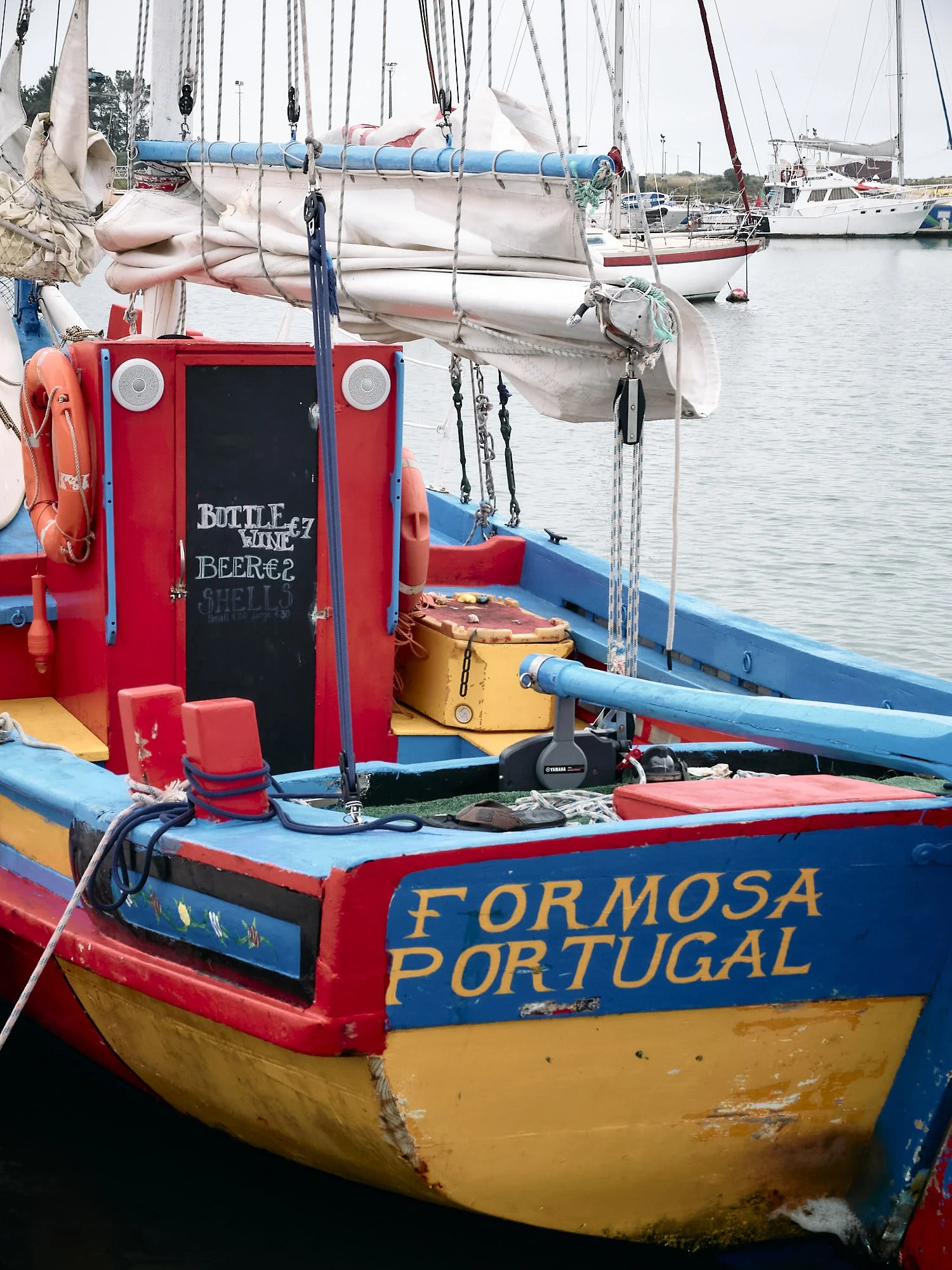
Fishing boat in Portimão, Portugal, 2025
If you’re a yacht broker, or you know one, I'd like to talk. Not a pitch, just a conversation about what makes a listing photo actually work for a boat, and whether I’m the right person to shoot the next one.